
Categories
Articles

The Evolution of Radiation Safety: A History of X-Ray Badges

June 4, 2024
Explore the fascinating evolution of radiation safety and take a deep dive into the history of X-ray badges. Since its…

Which Personal X-Ray Dosimeter Is Right For Your Organization?
May 3, 2024
Discover the best personal X-ray dosimeter for your organization with our comprehensive guide. Everyone is exposed to some form of…

How to Get an X-Ray Badge for Radiation Monitoring
April 17, 2024
Learn how to easily obtain an X-ray badge for radiation monitoring and ensure the safety of your workplace. Radiation monitoring…

9 Reasons RDC’s Digital Radiation Dosimeter Is Right for Your Organization
March 5, 2024
We're excited to introduce NetDose Digital Dosimeter! In this article we'll explore why using this digital dosimeter could make the…

Do All Healthcare Personnel Need a Dosimetry Badge?
February 28, 2024
Not all hospital personnel working near medical radiation require a dosimetry badge. Learn which staff require monitoring and explore the…

Handheld X-Ray Units: Dental Office Radiation Monitoring Requirements
August 22, 2023
Discover essential tips for maintaining radiation safety in dental offices using handheld X-ray units with a brief review of ALARA…
X-Ray Safety Guidelines Explained
March 24, 2023
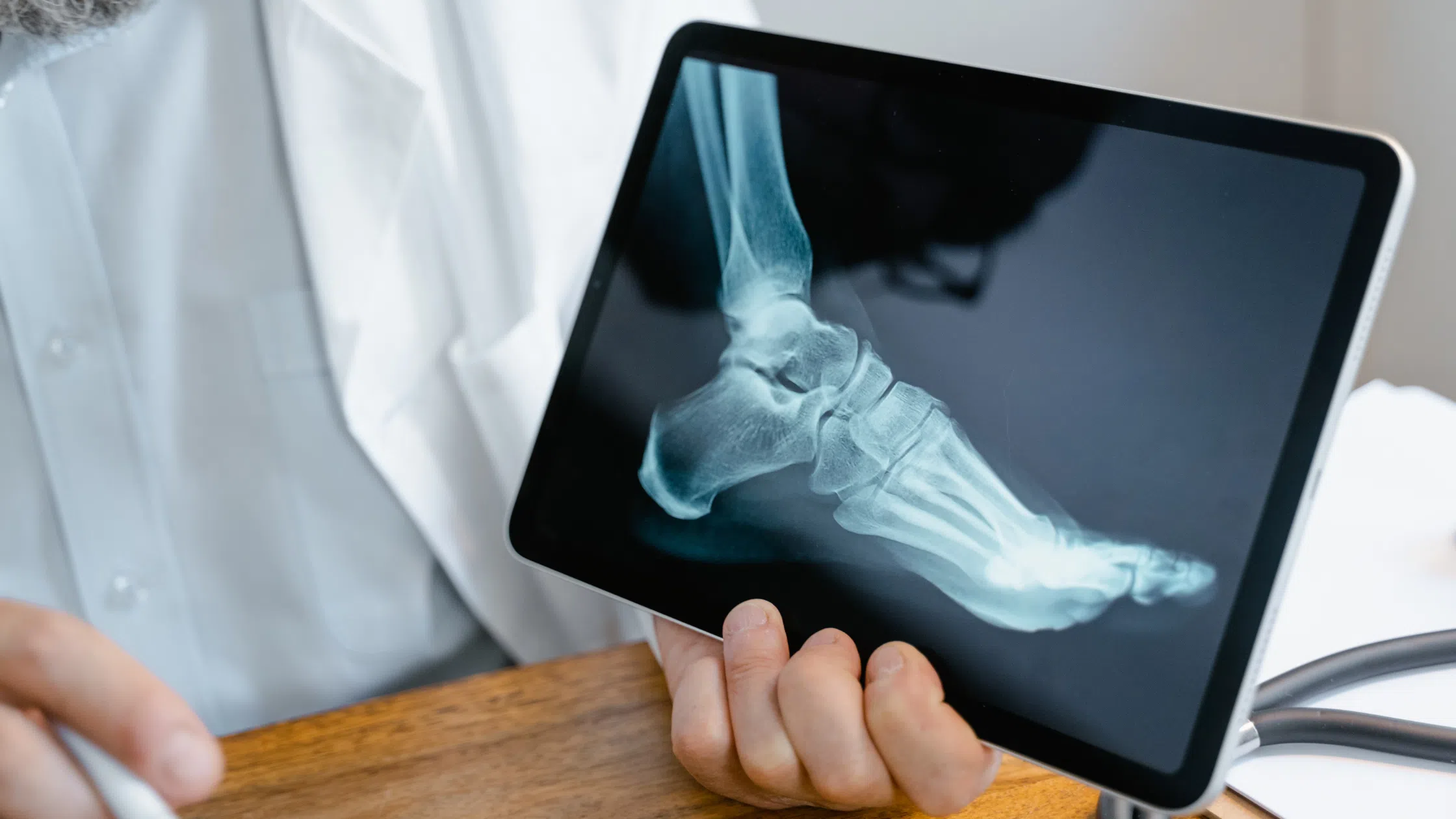
When it comes to x-ray safety, there are guidelines put in place by governing bodies that are critical to the…

Time, Distance, & Shielding: Key Radiation Protection Principles
March 2, 2023
Any and all exposure to ionizing radiation is dangerous. However, it's truly impossible to avoid exposure completely. Since radiation is…

The Importance of a Radioactive Material License
February 27, 2023
Radioactive materials can be helpful in diagnosing and/or treating illnesses and are also often used in medical research. While their…

The Importance of Proper Radiation Safety Training
February 14, 2023
Protecting your company's personnel is of the utmost importance when you operate a business that has the potential to expose…