
Categories
Articles

The Hidden Risks of Delayed Radiation Dose Feedback in Hospitals

June 4, 2025
In high-exposure environments like the cardiac catheterization (cath) lab, visibility into occupational radiation dose isn’t just about regulatory compliance –…

Optimizing Dose Monitoring for Traveling Employees
May 8, 2025
Traditionally, airport security has relied on X-ray machines and metal detectors, though they have limitations in detecting non-metallic threats. CT…

When Is an X-Ray Badge Required?
May 6, 2025
Understand the importance of an X-ray badge in various occupational settings and how radiation monitoring safeguards employees, companies, and the…

Radiation Detection Company Acquires PL Medical
March 31, 2025
Radiation Detection Company (RDC), a leading provider of dosimetry solutions, is thrilled to announce the acquisition of PL Medical, a…

Radiation Safety Officers – The Linchpin of Every Radiation Safety Program
February 28, 2025
The importance of a Radiation Safety Officer (or RSO) to an organization cannot be overstated. An RSO is a key…

8 Must-Know Facts About Control Dosimeters
December 5, 2024
Control dosimeters play an important role in calculating occupational radiation exposure, but they are often overlooked or used incorrectly. Our…
What Does ALARA Stand For?
October 18, 2024
Explore the fundamental precept of radiation safety (ALARA), its history, and the three principles that reduce radiation exposure to occupational…

The Impact of the FDA’s MQSA Amendments
September 20, 2024
This post breaks down the key updates to the Mammography Quality Standards Act (MQSA) that went into effect on September…
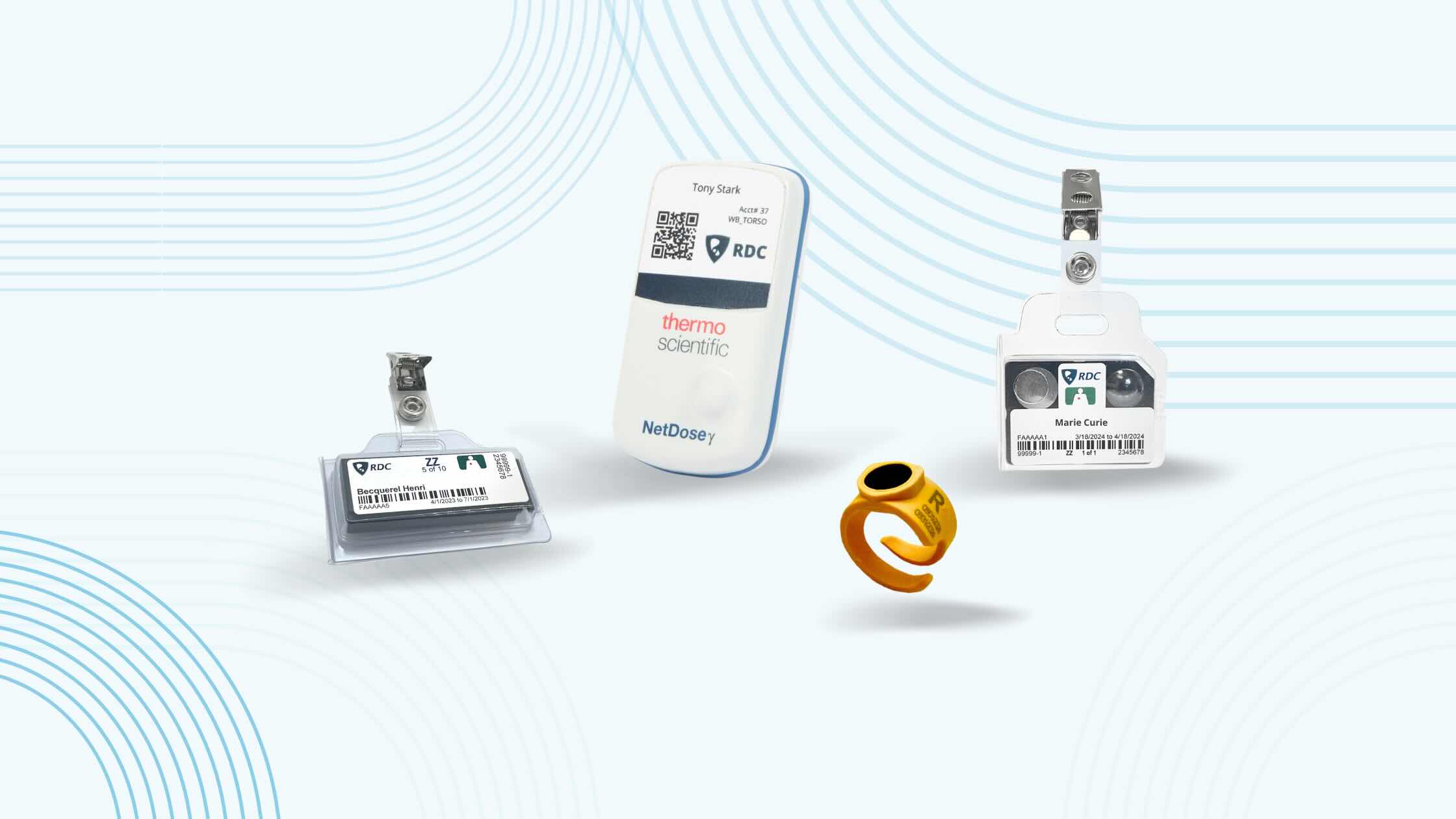
Semi-Passive and Passive Dosimeters
September 19, 2024
Learn why passive dosimeters, such as TLD and OSL, and semi-passive digital dosimeters are the best options for long-term radiation…

Radiation Badges for Dental Offices
August 19, 2024
Explore common sources of radiation in dental practices, why wearing a radiation badge is necessary, which staff members should wear…