Dosimetry violations are becoming a top enforcement priority for regulatory bodies. Companies that fail to monitor or maintain proper personnel dose records can face penalties ranging from $9,000 to $45,000 (and even higher in more severe cases). This post outlines recent enforcement activity and provides audit-readiness recommendations for Radiation Safety Officers (RSOs) and dosimetry managers.
The Nuclear Regulatory Commission (NRC) and state regulators are responsible for ensuring that licensees accurately monitor personnel doses and maintain records in accordance with regulations. Violations, such as failure to issue dosimeters, failure to monitor exposures, or incomplete recordkeeping, are now being treated as serious compliance issues with Escalated Enforcement Actions that can result in significant civil penalties.
Enforcement trends indicate that regulators are increasingly focusing on companies that lack a comprehensive radiation safety program, robust dosimetry tracking, audit trails, and verification of monitoring.
Key Takeaways
Dosimetry monitoring failures come at a great cost – regulatory bodies are imposing civil penalties ranging from $9,000 to $45,000.
Be aware of local and federal regulations – monitoring programs must comply with all applicable national, state, and local regulatory requirements.
Avoid unnecessary costs – stay audit-ready with proper dosimeter issuance, monitoring programs, documented procedures, training, and records.
Evaluate your risk: serious violations include failures to issue or use personnel dosimeters, use appropriate dosimeters for the corresponding radiation type, maintain exposure records, and monitor staff exposures appropriately.
Proactive radiation safety programs mitigate risk, promote compliance, and protect your organization from fines and service disruptions.
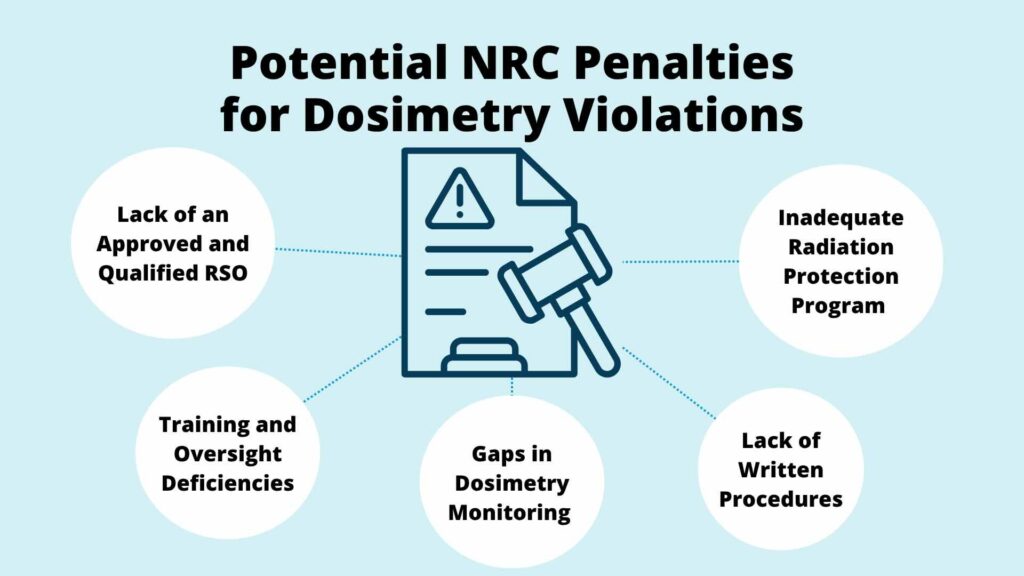
Potential NRC Penalties for Dosimetry Violations
Lack of an Approved and Qualified RSO: $9,000
On July 24, 2025, the NRC issued a Notice of Violation and Proposed Imposition of Civil Penalty (NOVCP) in the amount of $9,000 to an industrial corporation for a Severity Level III violation involving the licensee’s failure to have an approved and qualified Radiation Safety Officer (RSO).
An RSO is legally required for any facility licensed to use radioactive materials or operate radiation-emitting devices under NRC regulations. Beyond regulatory compliance, the RSO is the central figure in ensuring safe and effective radiation protection programs and monitoring all radiation-related activities (dosimetry, shielding, equipment calibration, and waste management). RSOs are the point of accountability for regulatory compliance and all safety incidents.
On March 20, 2025, the NRC issued a Notice of Violation and Proposed Imposition of Civil Penalty (NOVCP) in the amount of $14,400 to a medical center for a Severity Level II problem associated with four violations. The violations cited a lack of proper training and an inability to ensure that radiation safety activities were being performed in accordance with approved procedures and regulatory requirements.
Inadequate staff training and lack of procedural compliance can result in even the most well-established medical facilities facing significant penalties when radiation safety activities are not verified against approved procedures. The need for ongoing staff competency assessments and documented RSO oversight cannot be overstated.
Gaps in Dosimetry Monitoring: $27,000
On March 27, 2024, the NRC issued an NOVCP for $27,000 to a non-profit healthcare system for a Severity Level III issue. The violations involved the licensee’s failures to monitor occupational exposure and maintain shallow-dose equivalent assignment for skin, among other dosimetry-related program requirement violations.
Lapses in badge assignment, monitoring continuity, or data review can quickly escalate to regulatory action. Comprehensive dosimetry management systems are essential to protecting workers and demonstrating regulatory control.
Lack of Written Procedures: $45,000
On July 22, 2021, the NRC issued an NOVCP totaling $45,000 to a state university for a Severity Level III problem containing five violations. The violations included a lack of established written operating and emergency procedures as part of the dosimetry program.
The regulatory expectation is that organizations clearly document, review, and provide all staff access to radiation protection programs. Centralized documentation and regular procedural audits are crucial for organizations managing multiple facilities or research programs.
Inadequate Radiation Protection Program: $14,500
On February 21, 2019, the NRC issued an NOVCP in the amount of $14,500 to a medical center for a Severity Level III issue. The violations involved failures to monitor occupational radiation, monitor exposures, and implement an adequate radiation protection program.
Even when exposures are low, failure to document and verify dose monitoring compliance can result in serious penalties. Active RSO engagement and continuous quality assurance reviews are paramount for every organization, and that’s especially true in healthcare settings.
Common Threads for Dosimetry Violations
The above five examples illustrate that even seemingly “minor” oversight issues (like not issuing a dosimeter or failing to monitor a user) can escalate into enforcement actions with substantial monetary consequences.
In addition to financial penalties, organizations that violate NRC and regulatory guidelines from other federal and state agencies risk employee health.
What These Penalties Tell Us About the 2025 Enforcement Environment
Recent civil penalties issued by the NRC underscore a heightened enforcement environment within the radiation safety sector.
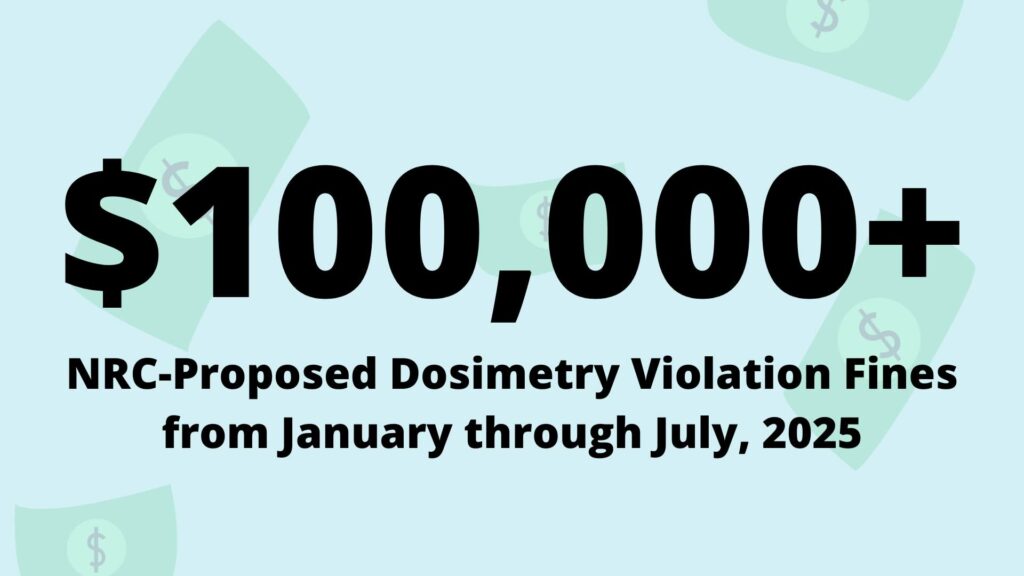
Between January and July of 2025, the NRC proposed fines totaling over $100,000 against various licensees for violations ranging from administrative oversights to critical safety lapses.
Violations related to the absence of qualified Radiation Safety Officers and inadequate procedural documentation suggest a trend toward stricter enforcement of administrative requirements.
Why Are Regulators Focusing on Dosimetry Program Safety Now?
Several factors are driving the recent increased enforcement, including:
Risk to Personnel Health: Dosimetry safety is central to ensuring workers do not exceed radiation dose limits.
Indicator of Programmatic Weakness: Failures in administrative procedures, such as dosimeter issuance and record keeping, often signal broader safety program failings (e.g., training, procedures, oversight).
Transparency: Regulators expect licensees to have robust documentation. When dosimetry programs fall short, it undermines confidence in the company’s entire radiation protection program.
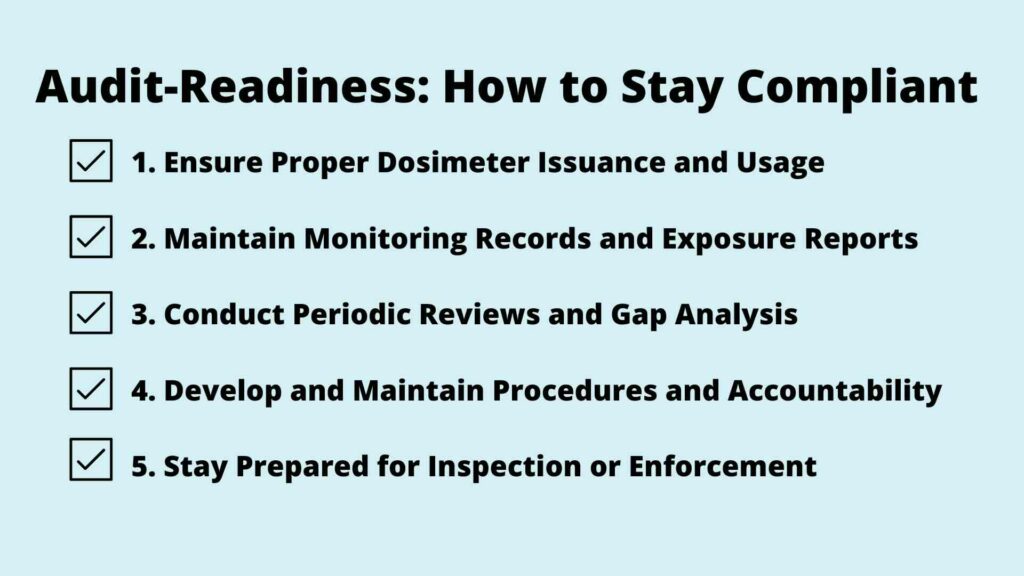
Audit-Readiness: Fostering a Culture of Compliance
Ensure your company’s dosimetry program is audit-ready by following these five steps.
1. Ensure Proper Dosimeter Issuance and Usage
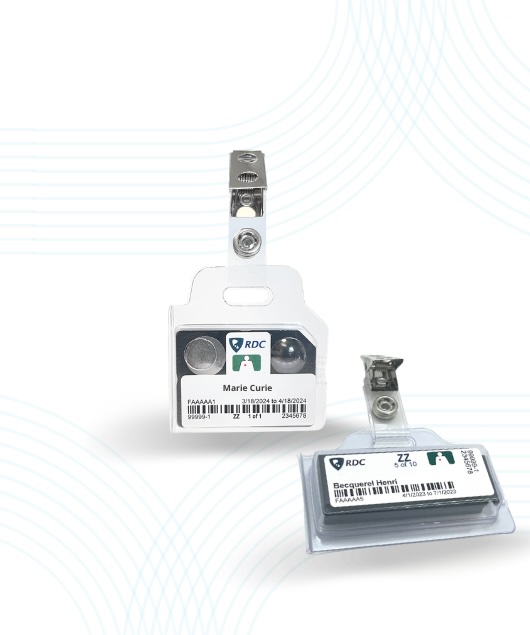
Issue a personal dosimeter (i.e., OSL, TLD, or NetDose™) to every worker likely to receive ≥10% of the occupational radiation dose limit (or as required by all applicable regulations or radiological posting).
Enforce your dosimeter use policy: badges must be worn correctly, exchanged on time, replaced when lost/damaged, and recorded if not used.
Train personnel and supervisors on dosimeter policies, requirements for use, and consequences of non-use.
2. Maintain Monitoring Records and Exposure Reports
Maintain all exposures and dosimeter results. The NRC generally requires retention of direct dosimeter readings and yearly operability checks for three years.
Establish a central record-keeping system with secure access, clearly labelled files, and an audit trail of issuance, retrieval, processing, and results.
Reconcile badge history when necessary to ensure no reporting gaps in the event of a worker going unmonitored.
3. Conduct Periodic Reviews and Gap Analysis
Perform internal audits of your dosimetry program (i.e., badge issuance rates, unmonitored workers, off-scale events, estimated doses).
Evaluate whether any workers may have exceeded thresholds and ensure proper monitoring and response.
Regularly review your radiation safety program materials: make sure training records, policy acknowledgements, dosimeter loss/damage logs, and corrective actions are accessible to staff.
Ensure your radiological protection plan is up to date and set a reminder to review the plan on a regular basis.
4. Develop and Maintain Procedures and Accountability
Have written procedures in place for dosimeter issuance, processing, lost/damaged badges, investigation of high exposures, and supervisor oversight.
Provide dose estimates for lost dosimeters and ensure the record is complete and accurate.
Document roles and responsibilities for Radiation Safety Officers, radiation safety staff, supervisors, employees, and your dosimetry badge provider.
Implement management oversight practices and verification processes to ensure accuracy, consistency, and compliance throughout the entire program.
5. Stay Prepared for Inspection or Enforcement
Maintain an audit-readiness binder or digital folder that contains:
A list of all personnel badge assignments and monitoring periods
Exposure summary of workers (annual, lifetime)
Procedures and training records
Lost/damaged badge log and estimates
Audit reports and corrective actions
Any previous dose history for the current year and lifetime
Simulate “what-if” scenarios to anticipate potential compliance vulnerabilities. For example:
What happens if a badge is lost?
What if a worker’s exposure trend is rising?
A significant downward drop in the dose (indicates the person may not be wearing the dosimeter)
Clearly define who will respond in the event of a violation and specify the documentation that must be provided to inspectors.
Common Compliance Pitfalls to Avoid
Avoiding compliance pitfalls requires consistent monitoring, comprehensive training, stable program leadership, and reliable recordkeeping – all working together to ensure continuity, accuracy, and full regulatory compliance in radiation safety programs.
Radiation Monitoring Gaps
Interruptions in dosimetry monitoring programs are among the most common compliance issues facilities encounter. Even short-term disruptions can result in missing dose data and potential violations, whether due to late badge exchanges, misplaced dosimeters, or unreliable dosimetry service.
Partnering with a trusted dosimetry provider ensures continuous monitoring, timely badge exchanges, and proper staff adherence to wearing protocols – all essential components for maintaining your legal dose of record.
Inadequate Radiation Safety Training
A lack of adequate radiation safety training can undermine even the most well-designed dosimetry program. When employees don’t understand how, when, or why to wear their badges (or how to wear them correctly), data accuracy and compliance both suffer.
Regular training and clear, role-specific education help reinforce best practices and foster a culture of accountability across departments.
Transitions in leadership can pose serious risks to a facility’s radiation safety program. When a Radiation Safety Officer leaves or is replaced without a thorough transfer of critical program knowledge, badge assignment practices, exposure histories, and procedural nuances can all be lost. This gap increases the risk of non-compliance, missed monitoring, and procedural errors.
Establishing a formal RSO transition process, including documentation review, shadowing, and staff briefings, ensures continuity and preserves regulatory compliance.
Inconsistent Record Retention
Accurate and accessible records are the backbone of a compliant dosimetry program. Failure to consistently retain dosimetry results, logs, training records, and exposure reports can lead to enforcement actions and penalties (even if exposures themselves were within limits). Inconsistent recordkeeping can also complicate audits and investigations.
Implementing standardized documentation procedures, secure digital storage, and regular internal audits helps facilities maintain a reliable dose report history, reduce liability, and demonstrate compliance to regulators.
Although sometimes thought of as merely administrative, dosimetry violations are increasingly being treated by regulators as programmatic safety failures. Companies that fail to issue badges, monitor exposures, return dosimeters on time, or maintain proper records can expect to face costly civil penalties for significant and systemic failures.
Implementing a comprehensive, well-documented, reviewed, and auditable dosimetry program is about more than compliance. It’s about protecting your workers, managing risk, and safeguarding your license.
“If you’re not confident that your dosimetry program would pass an audit today, now is the time to act.” – Chris Passmore, CHP
Proactive radiation safety is the most effective strategy for avoiding costly dosimetry violations, and it begins with a reliable dosimetry program. Radiation Detection Company can help you ensure continuous dosimetry service with on-time deliveries, industry-leading customer service, 24/7 access to an online portal, and accurate dose reports.
Failure to issue or properly use personal dosimeters for workers likely to receive ≥10% of the regulatory dose limit.
Which agency regulates radiation monitoring in the United States?
The US Nuclear Regulatory Commission (NRC) was established by Congress in 1974 as an independent agency tasked with ensuring the safe use of radioactive materials for beneficial civilian purposes, while also protecting people and the environment.
What are the duties of a Radiation Safety Officer (RSO)?
A Radiation Safety Officer is responsible for the implementation, coordination, and day-to-day supervision of a company’s radiation safety program. The RSO is responsible for adhering to all federal, state, and local regulations and has the authority to enforce radiation policies and procedures, encompassing both radiation safety aspects and regulatory compliance.
Ready to Simplify Your Radiation Safety Program?
Join 41,000+ organizations who trust Radiation Detection Company for accurate, timely, hassle-free radiation monitoring service.










 Previous