Organizations today have more dosimetry options than ever before. Understanding the strengths, technologies, and service models of leading dosimetry providers can help radiation safety leaders make more informed decisions about compliance, worker protection, and program management.
Whether you're a Radiation Safety Officer (RSO), hospital administrator, nuclear power worker, or industrial safety leader, choosing the right dosimetry company can have a significant impact on radiation safety performance and administrative efficiency.
This guide compares several radiation dosimetry companies serving healthcare, veterinary, dental, industrial, research, and nuclear organizations. We'll review their specialties, monitoring technologies, and key considerations to help you identify the best fit for your radiation monitoring program.
Key Takeaways
The four most widely recognized occupational dosimetry providers in the US market are Radiation Detection Company (RDC), LANDAUER, Mirion, and Thermo Fisher Scientific.
Passive dosimetry (OSL/TLD) is the industry standard; digital dosimetry solutions continue to gain adoption in healthcare and industrial environments.
Program costs vary significantly based on badge type, monitoring frequency, reporting requirements, and service model.
Organizations should evaluate service responsiveness, reporting tools, and compliance support alongside pricing.
How We Evaluated These Dosimetry Providers
This article compares occupational dosimetry providers that offer radiation monitoring services in the United States. Companies were selected based on market visibility, occupational dosimetry offerings, industry recognition, publicly available product information, and relevance to healthcare, industrial, research, and nuclear radiation safety programs.
Information in this guide was gathered from publicly available company resources, accreditation records, regulatory references, and industry publications. Because service offerings, technologies, and business structures may change over time, organizations should verify current capabilities directly with each provider during the evaluation process.
How Do Major Dosimetry Providers Compare?
Choosing a dosimetry provider involves more than selecting a badge. Service quality, reporting capabilities, turnaround times, technical support, and regulatory expertise can all impact the effectiveness of a radiation monitoring program.
While every organization's needs are different, understanding how major dosimetry providers compare can help radiation safety professionals, healthcare leaders, and industrial operators make a more informed decision. Below is a high-level comparison of four leading dosimetry providers.
Feature
Radiation Detection Company (RDC)
LANDAUER
Mirion
Thermo Fisher Scientific
Founded
1949
1954
Dosimetry solutions introduced in 1987 (Mirion Technologies, Inc.; dosimetry lineage is older)
Dosimetry solutions introduced in 1956 (Thermo Fisher Scientific formed by 2006 merger)
Ownership
Independent, privately held
Fortive subsidiary
Publicly traded (NYSE: MIR)
Publicly traded (NYSE: TMO)
Headquarters
Georgetown, TX
Glenwood, IL
Atlanta, GA
Waltham, MA
Core Whole Body Monitoring Options
TLD, TLD + Neutron, OSL, and digital
TLD and OSL
TLD, OSL, and digital
TLD Materials (not a designated dosimetry service provider)
Digital & Real-Time Dosimetry
NetDose™ semi-passive digital dosimeter (gamma and X-ray) and Radiant real-time dosimetry
RaySafe real-time devices (not a passive substitute)
Instadose®VUE (gamma, X-ray, and beta; neutron pending)
EPD TruDose electronic dosimeter (not a passive substitute); NetDose™ semi-passive digital dosimeter (gamma and X-ray)
Which Dosimetry Provider Is Right for Your Organization?
Each provider offers different strengths.
Radiation Detection Company (RDC) may be a strong fit for organizations seeking a full-service dosimetry provider with a broad monitoring portfolio, rapid report turnaround, and responsive customer support.
LANDAUER is one of the most established names in occupational radiation monitoring and is commonly used across healthcare, industrial, and research environments.
Mirion may be attractive to organizations seeking a broader radiation safety ecosystem that includes dosimetry, instrumentation, monitoring systems, and enterprise software.
Thermo Fisher Scientific brings extensive expertise in radiation instrumentation and monitoring technologies and may appeal to organizations seeking dosimetry materials, dosimeter badge readers, and electronic personal dosimeter systems.
Ultimately, the best dosimetry provider depends on an organization's monitoring requirements, compliance obligations, reporting needs, operational complexity, and desired level of support.
Leading Occupational Dosimetry Providers
Radiation Detection Company
Founded in 1949, Radiation Detection Company (RDC) is the longest continuously operating occupational dosimetry provider in the United States. RDC serves more than 41,000 organizations across healthcare, dental, veterinary, industrial, research, and government sectors, delivering over 2 million dosimeter badges each year.
Radiation Detection Company reports a 97% customer satisfaction score (based on RDC customer survey data) and maintains a 4.7-star Google review rating as of 2026.
RDC offers a full portfolio of dosimetry solutions, including TLD, OSL, and digital dosimetry technologies. Dosimetry badges are shipped from RDC headquarters in Georgetown, Texas, and can be delivered in as little as 2 business days. 99% of badges and dose reports were delivered on time in 2025 (based on RDC internal operational metrics).
Radiation Detection Company simplifies dosimetry service transitions for busy teams with SwitchAssist™, a headache-free onboarding process designed to meet the unique needs of organizations while delivering compliance requirements.
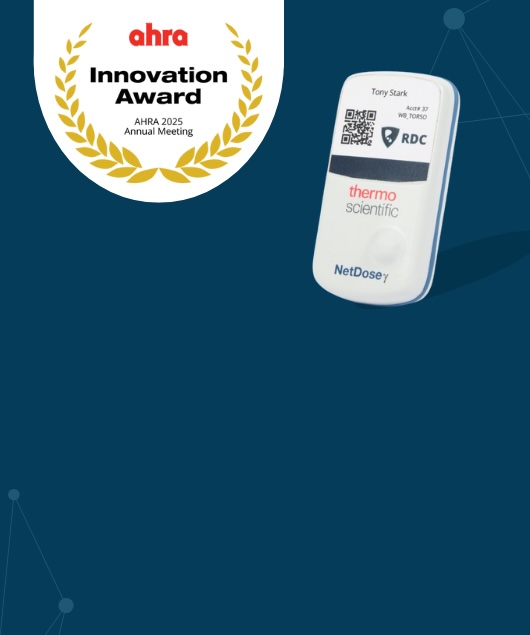
In 2024, Radiation Detection Company partnered with Thermo Fisher Scientific to bring NetDose™ digital dosimetry to market. NetDose™ blends Thermo Fisher's radiation monitoring technology with RDC's customer support, implementation expertise, and trusted occupational dosimetry service.
In 2025, NetDose™ received an AHRA Innovation Award, which recognizes technologies that advance imaging operations, workforce safety, and patient care.
Organizations seeking more proactive radiation safety programs can leverage NetDose™, a digital dosimeter that provides near real-time exposure visibility, cloud-based reporting, and centralized program management. NetDose™ is particularly valuable for healthcare systems, traveling staff, nuclear facilities, declared pregnant employees, and organizations looking to improve exposure awareness.
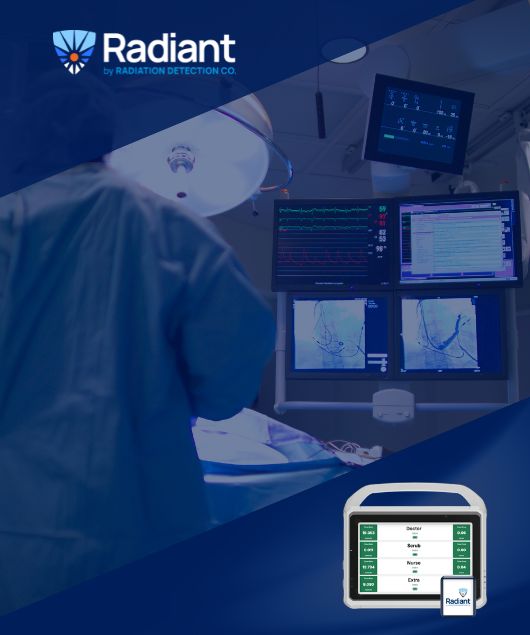
In 2026, Radiation Detection Company introduced Radiant real-time dosimetry – an integrated system designed to deliver continuous awareness, intelligent feedback, and actionable insights.
LANDAUER
Originally established in 1954, LANDAUER now operates as a Fortive company and remains one of the most recognized names in occupational radiation monitoring. The company is headquartered in Glenwood, Illinois.
LANDAUER's portfolio centers on passive dosimetry solutions, TLD and OSL dosimeters, ring dosimeters, environmental monitoring products, and specialty monitoring services for occupational radiation monitoring programs.
Organizations seeking real-time exposure awareness may also utilize RaySafe devices alongside their accredited dosimetry program. While these devices can support ALARA initiatives and immediate exposure feedback, they do not replace accredited passive dosimetry systems used to establish official occupational dose records set by the US Nuclear Regulatory Commission (NRC).
Mirion
Since 1987, Mirion has provided radiation monitoring systems, portable radiation measurement equipment, and dosimetry solutions to its customers. The company is headquartered in Atlanta, GA, and works with nuclear power plants, military and civil defense agencies, hospitals, universities, national laboratories, and other specialized industries.
Mirion's Instadose® platform is one of the most widely recognized digital dosimetry solutions in healthcare and industrial radiation safety programs. The company also provides OSL and TLD monitoring options, extremity dosimeters, eye dose monitoring, environmental monitoring, and enterprise radiation safety software.
Thermo Fisher Scientific
Founded in 1956, Thermo Fisher Scientific offers a complete suite of radiation dosimeter badge materials, readers, and other products for reliable and accurate environmental monitoring and electronic personal dosimeters. Thermo Fisher Scientific is headquartered in Waltham, Massachusetts.
Thermo Fisher Scientific is one of the world's largest scientific instrumentation and laboratory technology companies. In occupational radiation monitoring, Thermo Fisher offers passive dosimetry materials and readers, as well as digital monitoring solutions, including the TrueDose™ electronic dosimeter platform and the NetDose™ digital dosimetry solution offered through its partnership with Radiation Detection Company.
The company continues to support occupational radiation monitoring programs through both passive dosimeter materials and digital dosimetry technologies.
Common Types of Dosimetry Services
Not all dosimetry programs are the same. The right monitoring approach depends on the type of radiation exposure, work environment, regulatory requirements, and job responsibilities. Most occupational dosimetry providers offer a combination of the following monitoring services.
Whole Body Monitoring
Whole body dosimeters are the most commonly used radiation badges and are designed to measure radiation exposure to the torso and major organs. They are widely used in healthcare, dental, veterinary, industrial, research, and nuclear environments where workers may be exposed to ionizing radiation.
Extremity Monitoring
Workers whose hands are routinely positioned near radiation sources may require extremity monitoring in addition to whole body monitoring. Ring and wrist dosimeters are commonly used in interventional radiology, nuclear medicine, radiopharmaceutical manufacturing, and industrial applications where extremity doses can be significantly higher than whole body exposure.
Fetal Monitoring
Declared pregnant workers may be required to wear an additional fetal dosimeter to help monitor radiation exposure to the developing fetus. Fetal monitoring programs are commonly used in hospitals, imaging centers, and nuclear medicine departments to support compliance with applicable dose limits and workplace safety policies.
Neutron Monitoring
Certain environments, including nuclear power plants, research reactors, particle accelerators, and some industrial operations, may expose workers to neutron radiation. Because neutrons interact differently than X-rays and gamma radiation, specialized neutron dosimeters are required to accurately measure occupational exposure.
Digital Dosimetry
Digital dosimetry solutions provide faster access to exposure information than traditional passive monitoring technologies. Depending on the system, organizations may receive near real-time exposure visibility, cloud-based reporting, automated alerts, and enhanced analytics that support more proactive radiation safety programs.
Real-Time Dosimetry
Real-time dosimetry provides immediate visibility into radiation exposure as it occurs, enabling workers to monitor dose and dose rate throughout procedures rather than waiting for periodic reports. With continuous exposure awareness, configurable alerts, and actionable insights, real-time dosimetry empowers organizations to reinforce safe work practices, identify potential risks as they develop, and support a more proactive approach to radiation protection.
The best dosimetry providers offer multiple monitoring options and help organizations determine which combination of technologies is most appropriate for their specific risks, regulatory requirements, and operational goals.
How to Choose the Right Dosimetry Provider
Choosing a dosimetry company involves more than selecting a badge. Radiation safety leaders should evaluate:
NVLAP accreditation and regulatory compliance support
Turnaround time for dose reports
Digital reporting and account management tools
Availability of TLD, OSL, ring, fetal, neutron, and digital dosimeters
Organizations most commonly switch dosimetry providers when they experience reporting delays, limited visibility into dose data, inconsistent customer support, or administrative burdens that consume valuable staff time.
For healthcare systems, nuclear facilities, and industrial organizations, provider transitions are often driven by a desire to improve reporting access, simplify badge management, enhance regulatory support, or gain access to digital dosimetry technologies.
While changing providers may seem disruptive, modern onboarding programs can often transfer historical dose records and implement a new monitoring program without creating compliance gaps.
Boone Health switched to RDC after experiencing rising costs, added fees, and late dosimeter shipments with its previous provider. RDC transitioned more than 300 dosimeters across 13 departments in less than two weeks – including billing setup and historical dose records.
Two years later, Boone Health continues to save approximately $10,000 annually while benefiting from responsive support, faster reporting, and easier dosimetry program management.
Organizations working with radioactive materials or radiation-producing equipment must often maintain occupational dose records to comply with regulations from agencies such as the Nuclear Regulatory Commission (NRC), state radiation control programs, OSHA requirements, and industry-specific accreditation bodies.
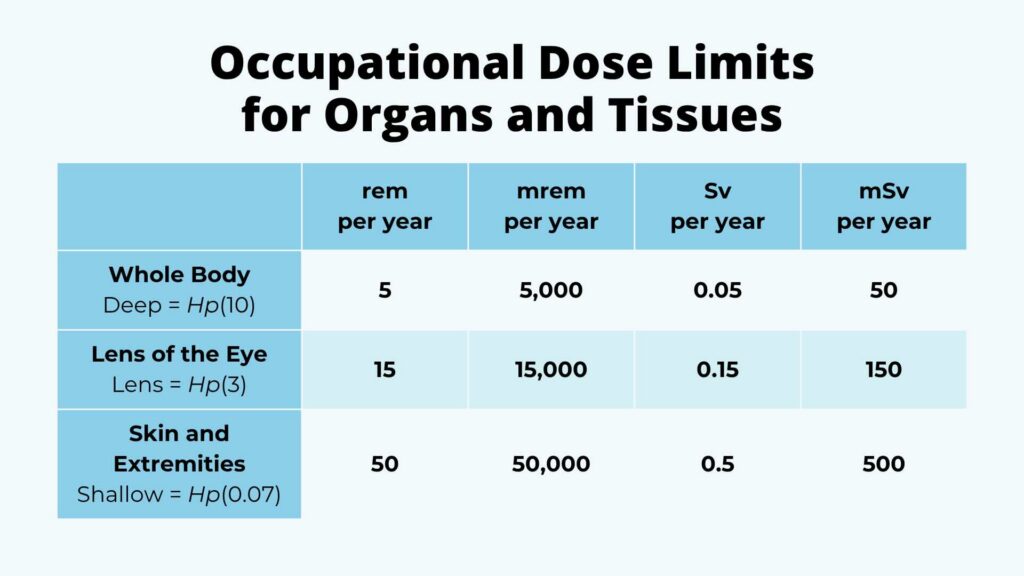
The US Nuclear Regulatory Commission (NRC) sets annual occupational dose limits for adult radiation workers. Accurate dose monitoring is a critical component of regulatory compliance and worker protection. Organizations can also reference the National Voluntary Laboratory Accreditation Program (NVLAP) to verify laboratory accreditation status and approved radiation monitoring categories.
A qualified dosimetry provider helps organizations:
Monitor occupational exposure
Maintain required dose records
Support regulatory inspections
Track lifetime exposure history
Identify exposure trends and ALARA opportunities
In many regulated environments, dose records must be maintained for the duration of employment and retained according to applicable regulatory requirements. Reliable reporting systems, historical dose access, and accurate recordkeeping are essential components of a compliant radiation safety program.
While dosimetry alone does not reduce exposure, accurate monitoring data helps organizations make informed decisions that protect workers and maintain compliance. For additional information on the health effects of ionizing radiation, the World Health Organization (WHO) provides a comprehensive overview of radiation risks and protective measures.
Need Help Choosing a Dosimetry Provider?
For more than 75 years, Radiation Detection Company has helped organizations manage occupational radiation exposure through accredited dosimetry services, responsive support, and reliable reporting. Today, RDC serves more than 41,000 organizations across healthcare, dental, veterinary, industrial, research, and government sectors.
If you're evaluating dosimetry providers or considering a switch, our team can help you identify the right monitoring solution for your organization's needs.
A dosimetry provider supplies radiation monitoring badges, dose reporting services, and compliance support that help organizations track occupational radiation exposure.
Who are the leading dosimetry providers in the United States?
Among the best-known providers are Radiation Detection Company (RDC), LANDAUER, Mirion, and Thermo Fisher Scientific.
What should I look for when comparing dosimetry companies?
Start by verifying NVLAP accreditation and regulatory support, then evaluate reporting tools, available monitoring technologies, historical dose record access, customer support responsiveness, and overall program costs.
Are digital dosimeters replacing traditional radiation badges?
Not entirely. Many organizations continue using TLD and OSL badges successfully, while others are adopting digital dosimetry solutions for faster dose visibility and enhanced program oversight.
How much does a dosimetry service cost?
Costs vary depending on badge type, monitoring frequency, number of monitored workers, reporting requirements, and program complexity.
Badge processing frequency varies based on regulatory requirements, work environment, and exposure risk. Common wear periods include monthly, quarterly, semi-annual, and annual exchanges. Organizations with higher exposure potential often choose more frequent monitoring cycles.
Are all dosimetry providers NVLAP-accredited?
No. Organizations should verify that both the dosimetry technology and processing laboratory hold appropriate NVLAP accreditation for the radiation types being monitored. Accreditation helps ensure dose measurements meet nationally recognized quality standards.
Radiation Detection Company (RDC) is NVLAP-accredited (Lab Code 100512-0).
Ready to Simplify Your Radiation Safety Program?
Join 41,000+ organizations who trust Radiation Detection Company for accurate, timely, hassle-free radiation monitoring service.








 Previous