This guide explains the most effective radiation shielding materials, when to use them, and how organizations can build a comprehensive radiation shielding and protection program.
Radiation shielding materials play a critical role in protecting workers and the public from unnecessary radiation exposure. From lead aprons and concrete barriers to advanced neutron shielding materials, understanding how different materials interact with radiation is essential for maintaining compliance and keeping doses ALARA (As Low As Reasonably Achievable).
While radiation is constantly present in our environment (natural background radiation) and in our bodies, limiting exposure to different types of radiation is incredibly important. Following the three pillars of radiation safety – time, distance, and shielding – is crucial.
Using this guide, you can feel confident choosing the right radiation shielding materials for your organization.
Key Takeaways
Different radiation types require different shielding materials – there is no one-size-fits-all solution.
Lead remains the most common shielding material for X-rays and gamma radiation because of its density and attenuation properties.
Neutron radiation requires hydrogen-rich materials such as water, polyethylene, or borated compounds rather than lead.
Lead-free and composite shielding materials can provide equivalent protection while reducing weight and improving comfort.
Effective radiation protection combines shielding with occupational monitoring, dose tracking, and ALARA principles.
What Are Radiation Shielding Materials?
The United States Nuclear Regulatory Commission (NRC) defines radiation shielding as the "reduction of radiation by interposing a shield of absorbing material between any radioactive source and a person, work area, or radiation-sensitive device." Using or inserting the proper shield can greatly reduce or eliminate the dose received.
Radiation sources can be shielded with solid or liquid radiation shielding material, both of which absorb the energy of the radiation. Different types of radiation interact in different ways with each shielding material, which we'll explore further below.
Why Shielding Is Important: Preventing Radiation Exposure
Although radiation exists throughout our environment and bodies, we must do all we can to reduce unnecessary and excessive radiation exposure. Preventing exposure is critical, as radiation can damage the DNA in human cells.
High doses of radiation can cause acute radiation syndrome (ARS) and cutaneous radiation injuries (CRI). An increased dose of radiation also can potentially cause other harmful effects like cancer in the future.
Radiation Shielding Materials and How They Work
The shielding materials used depend on the type of radiation they are trying to block. The necessity of shielding materials is based on the principle of attenuation. Attenuation is the degree to which a wave or ray’s effect can be blocked or bounced with the use of shielding materials.
How Radiation Attenuation Works
Radiation shielding works through a process called attenuation, which reduces the intensity of radiation as it passes through a material. The effectiveness of a shielding material depends on the type and energy of the radiation, as well as the material’s density and thickness.
One of the most common ways to measure shielding performance is the half-value layer (HVL). The HVL represents the thickness of a material required to reduce radiation intensity by 50%. Materials with lower HVL values provide greater attenuation per unit of thickness.
Radiation Shielding Materials Comparison
Different radiation types interact with matter differently. As a result, the most effective radiation shielding materials vary depending on the source.
Selecting the appropriate radiation shielding material depends on the radiation type, energy level, workload, occupancy factors, and regulatory requirements. In practice, many facilities use multiple radiation shielding materials (including lead, tungsten, concrete, lead glass, aluminum, plastic, and borated polyethylene) to achieve the desired level of protection.
Typical Radiation Shielding Performance
Because no single material effectively shields every type of radiation, most radiation protection programs use a combination of shielding materials based on the radiation source, workload, and application.
Are All Materials Effective for Radiation Shielding?
Not all shielding materials work equally well against every type of radiation. Alpha, beta, gamma, X-ray, and neutron radiation interact with matter differently, which means the most effective shielding material depends on the source being controlled.
Lead Shielding Materials: The Go-To for X-Rays and Gamma Rays
Lead is one of the most widely used radiation shielding materials because of its high density and atomic number.
Lead is a corrosion-resistant and malleable metal. Its high density (11.34 grams per cubic centimeter) makes it an effective barrier against X-ray and gamma radiation. Other key features include its significant flexibility, exceptional stability, and high atomic number.
Lead is available in various forms (such as sheets, vests, collars, bricks, etc.), making it the best choice for shielding X-rays and gamma rays.
Lead Aprons and Wearable Shields
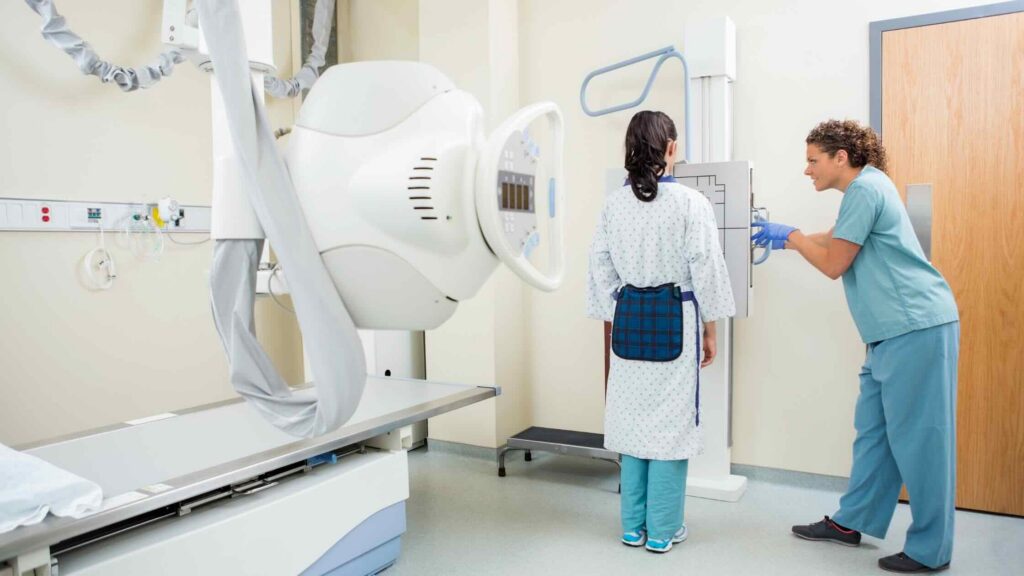
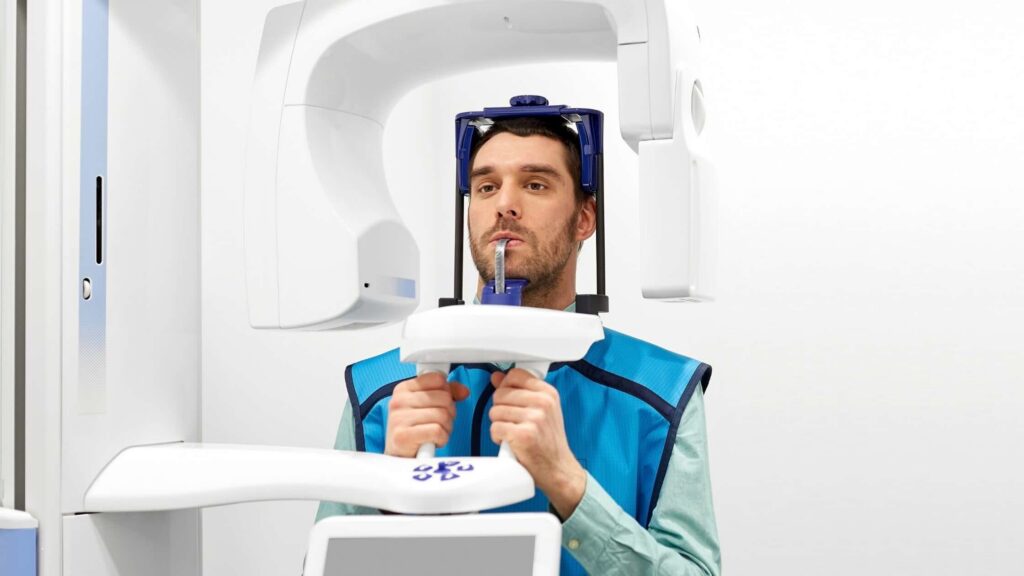
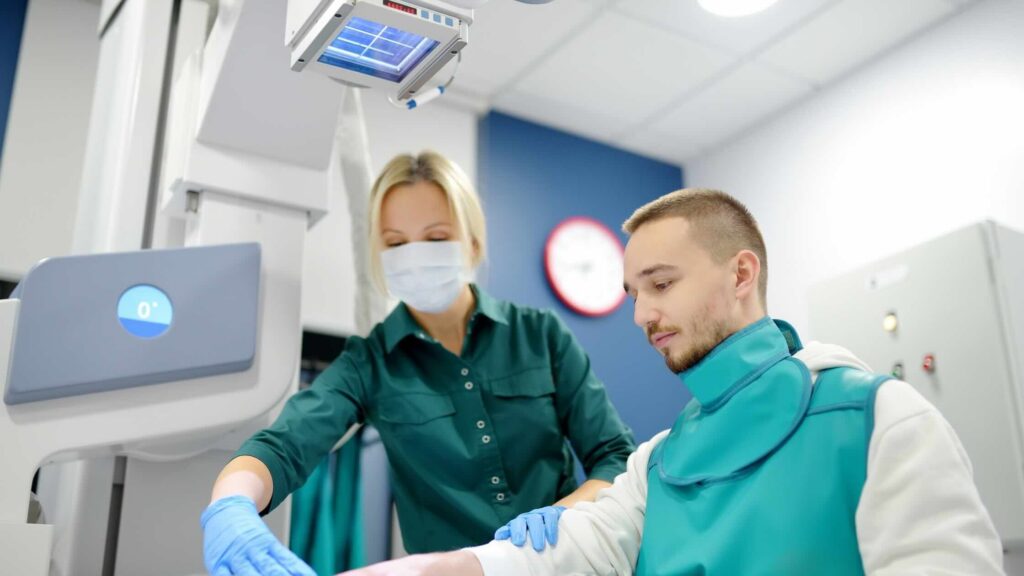
Lead aprons remain one of the most widely used forms of personal radiation shielding in healthcare, veterinary medicine, dental imaging, nuclear medicine, and industrial radiography. Their primary purpose is to reduce occupational exposure to scatter radiation generated during imaging procedures.
Studies have shown that properly fitted 0.5 mm lead-equivalent aprons typically attenuate 90% or more of scatter radiation encountered during many diagnostic imaging procedures, making them one of the most effective forms of wearable radiation protection. Actual attenuation varies based on beam energy, procedure type, and apron design.
Choosing the Right Lead Equivalency
Common lead-equivalent options include:
0.25 mm Pb equivalent – lower-weight option for lower-scatter environments
0.35 mm Pb equivalent – balance of protection and comfort
0.5 mm Pb equivalent – commonly used for fluoroscopy, cath labs, and interventional procedures
The appropriate level depends on workload, procedure type, and expected scatter exposure.
Lead-free and composite aprons are also available. These products typically use tungsten, bismuth, antimony, tin, or proprietary blends to achieve comparable attenuation while reducing weight compared to traditional lead garments. Lead equivalent products (which are composites that are much lighter than lead) include EarthSafe, XENOLITE, and Demron®.
Organizations using fluoroscopy, interventional radiology, nuclear medicine, or industrial radiography should pair shielding programs with appropriate occupational monitoring, including whole body monitoring, extremity monitoring using ring dosimeters, and fetal monitoring when applicable.
Lead Apron Care and Inspection
Radiation protection garments should be inspected regularly to ensure shielding integrity remains intact. Cracks, tears, folds, and internal damage can reduce protection levels without being visible externally.
Best practices include:
Storing aprons on approved hangers
Avoiding folding or creasing garments
Performing documented annual inspections
Removing damaged garments from service
Maintaining inspection records for accreditation and compliance reviews
Shielding Solutions: Lead Barriers
Organizations can also add lead to concrete or cinder blocks for use in wall construction. In X-ray facilities, walls surrounding the room with the X-ray machine may contain lead shielding, such as lead sheets, or the plaster may contain barium sulfate (a dense compound proficient in absorbing gamma radiation). These materials block radiation and limit exposure to radioactive substances outside the enclosed area.
Combining Lead Materials
X-ray operators generally view patients through a lead glass screen. If they must remain in the same room as a patient, they may also wear lead aprons.
Lead can be fabricated into different product forms to provide radiation shielding and protection, the most common of which include:
Lead sheets, plates, slabs, and foils
Lead shot (small spheres or pellets)
Lead wools
Lead epoxies
Lead putties
Lead bricks
Lead pipe, lead-clad pipe, and lead-clad tubing
Lead sleeves
Lead glass
Lead-polyethylene-boron composites
Lead tape
Alpha and Beta Radiation Shielding
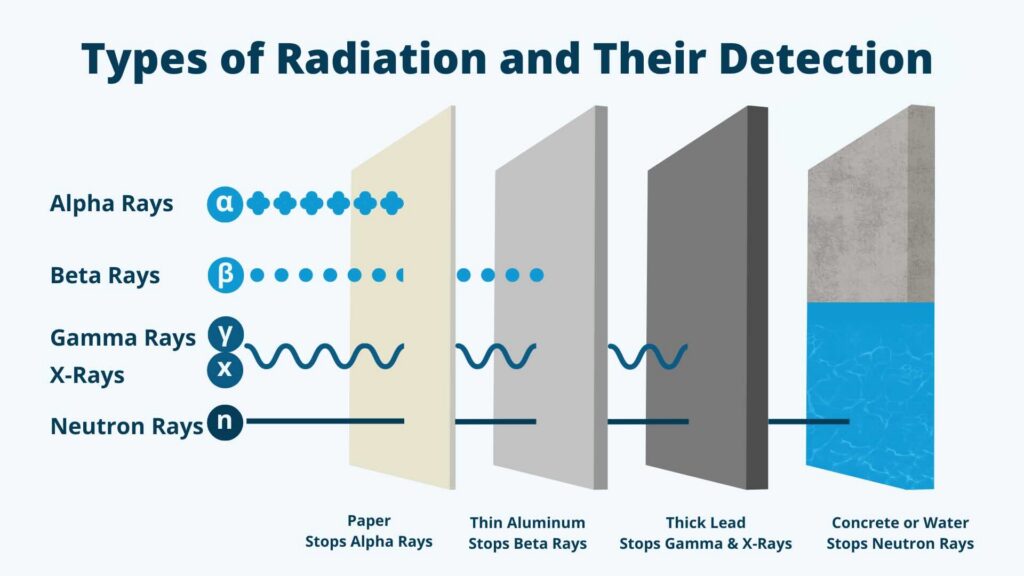
Alpha particles are the least penetrating form of ionizing radiation and can typically be stopped by a sheet of paper, clothing, or the outer layer of human skin.
Beta particles (electrons) are more penetrating but can still be absorbed by a few millimeters of aluminum. In most cases, low-energy beta particles can be shielded simply by an outer layer of clothing.
As beta particles slow down and lose energy in high atomic number materials, they can generate X-rays. This creates a secondary radiation field that may require additional shielding and can complicate radiation protection efforts. High-energy beta emitters are typically shielded using low atomic weight materials (usually plastic, wood, water, or acrylic glass) to minimize secondary Bremsstrahlung radiation.
Neutron Radiation Shielding
The effectiveness of a shielding material generally increases with its atomic number (called Z), except in the case of neutron shielding.
Because neutrons carry no electrical charge, they are highly penetrating and require specialized shielding materials such as borated polyethylene, water, paraffin wax, and concrete.
Radiation Shielding Products: Design and Selection Considerations
Finding the right radiation shielding materials doesn't have to be daunting. There are several factors that influence the design, selection, and use of shielding for radioactive material. Considerations such as attenuation effectiveness, strength, resistance to damage, thermal properties, and cost efficiency can affect these choices.
While metals are strong and resistant to radiation damage, they undergo changes in their mechanical properties and can deteriorate in certain ways from radiation exposure.
Conversely, concrete is strong, durable, and relatively inexpensive to produce, but it becomes weaker at higher temperatures, making it less effective at blocking neutrons.
Lightweight and Lead-Free Radiation Shielding Products
Over time, manufacturers have developed lightweight and lead-free radiation shielding products to provide protection and personal radiation shielding.
One commonly used is Demron®. This flexible fabric can be forged into hazmat suits, blankets, tents, tactical vests, and other personal protection products. Testing by the United States Department of Energy has demonstrated that the lead-free material is effective in reducing the levels of high-energy alpha and beta radiation and low-energy gamma ray radiation.
The lightweight and flexible nature of these types of products makes them ideal for wearable individual protection. They are also easy to clean, maintain, and store.
Digital Dosimetry and Real-Time Radiation Monitoring
While shielding materials remain a critical component of radiation protection, many organizations are expanding their safety programs with digital dosimetry and real-time radiation monitoring technologies.
As radiation protection technology continues to evolve, digital dosimetry solutions, such as NetDose™, provide faster dose visibility, enhanced reporting capabilities, and greater program oversight.
Additionally, real-time dosimetry can be especially helpful in high-exposure environments. Radiant real-time dosimetry delivers immediate, actionable exposure data that helps teams stay aware, respond quickly, and make confident decisions throughout every procedure.
Organizations considering modernization initiatives can use our Digital Dosimetry Checklist to evaluate available technologies and determine whether digital monitoring aligns with their operational and safety goals.
How Radiation Shielding Calculations Are Performed
Radiation shielding design involves more than simply selecting a material. Radiation safety professionals, medical physicists, and engineers evaluate several factors before determining the appropriate barrier thickness and shielding requirements.
Common considerations include:
Radiation energy
Source strength
Workload and frequency of use
Distance from the source
Occupancy of adjacent areas
Primary versus secondary barrier requirements
Regulatory dose limits
In healthcare environments, shielding calculations are often performed using guidance from the National Council on Radiation Protection and Measurements (NCRP). Common references include NCRP Report No. 145 for dental facilities, NCRP Report No. 147 for medical X-ray imaging facilities, and NCRP Report No. 148 for veterinary facilities. These resources help ensure occupational and public exposures remain within applicable regulatory limits.
While radiation shielding materials help reduce exposure, effective radiation protection programs also require occupational monitoring, dose tracking, and compliance oversight.
Radiation Detection Company (RDC) is dedicated to your safety and the safety of all your employees. For more than 75 years, RDC has supported over 41,000 organizations across healthcare, nuclear power, industrial, research, dental, and veterinary environments.
RDC offers comprehensive dosimetry solutions to fit the needs of any organization, large or small. In addition to radiation badge services, RDC provides whole body monitoring, extremity monitoring, fetal monitoring, digital dosimetry solutions such as NetDose™, and centralized dose management through MyRadCare™.
Different materials are used to block or reduce radiation depending on the type.
Alpha radiation can be blocked by paper or clothing.
Beta radiation is effectively shielded by plastic or thin aluminum.
Gamma radiation requires denser materials like lead, concrete, or steel for protection.
Neutron radiation is absorbed well by water, specially mixed concrete, or high-density polyethylene.
These materials help provide necessary shielding in environments like medical facilities, nuclear power plants, and research laboratories.
What is the most effective radiation shielding?
The most effective radiation shielding depends on the type of radiation being blocked. Lead is the most effective shielding material for gamma rays and X-rays due to its high density and atomic number, which effectively absorbs and attenuates the radiation. Materials rich in hydrogen, such as water, polyethylene, or specially formulated concrete, are most effective for neutron radiation.
In general, the choice of shielding material is based on the specific type and energy of the radiation you're trying to shield and practical considerations such as thickness and weight.
What material stops each type of radiation?
Paper, skin, or even a few centimeters of air can block alpha particles, and plastic, glass, or a few millimeters of aluminum can block beta particles.
Lead, concrete, or several centimeters of dense material can block gamma rays and X-rays. These are highly penetrating forms of electromagnetic radiation that require dense materials to effectively attenuate them.
Alternatively, hydrogen-rich materials like water, polyethylene, or borated materials block neutron radiation.
How often should lead aprons be inspected?
Most radiation safety programs inspect lead aprons at least annually to identify internal cracks, tears, or defects that may not be visible externally. High-use environments such as interventional radiology and cardiac catheterization labs may perform inspections more frequently.
What is ALARA and how does shielding support it?
ALARA stands for "As Low As Reasonably Achievable." It is the foundational principle of radiation protection. Shielding works alongside time reduction and distance management to minimize occupational radiation exposure while maintaining operational effectiveness.
Ready to Simplify Your Radiation Safety Program?
Join 41,000+ organizations who trust Radiation Detection Company for accurate, timely, hassle-free radiation monitoring service.










 Previous